
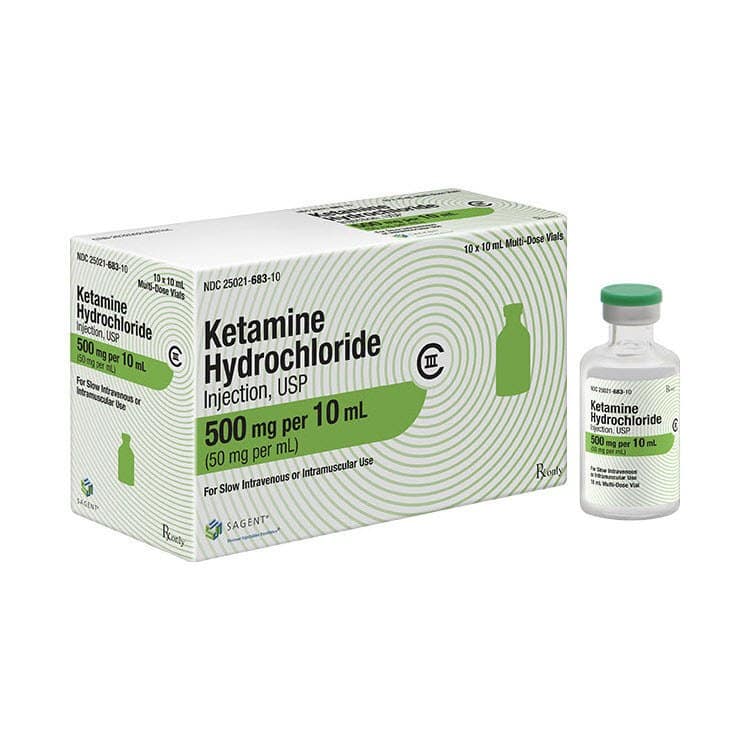
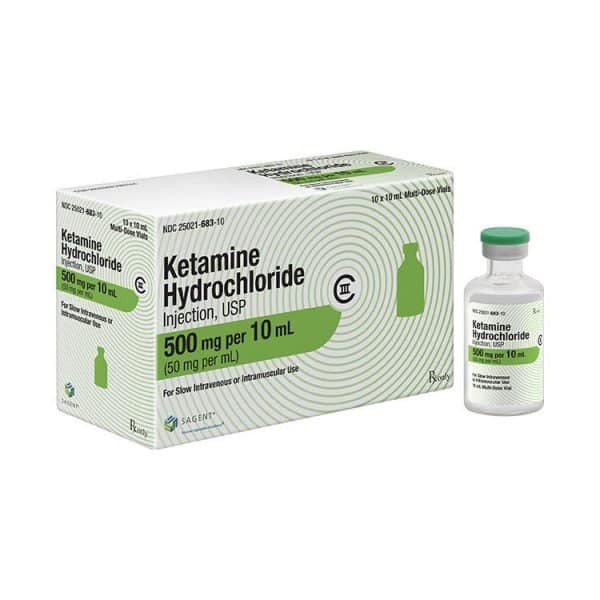
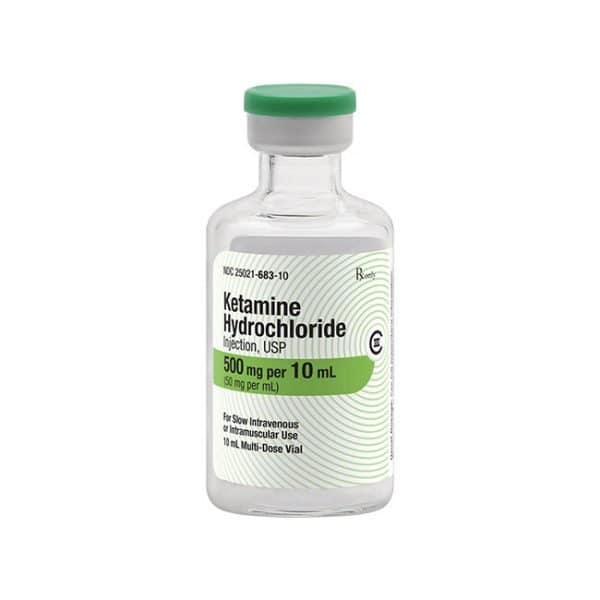
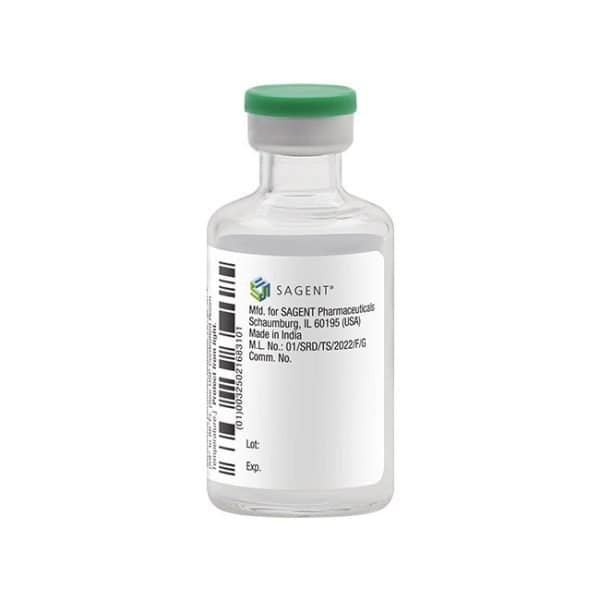
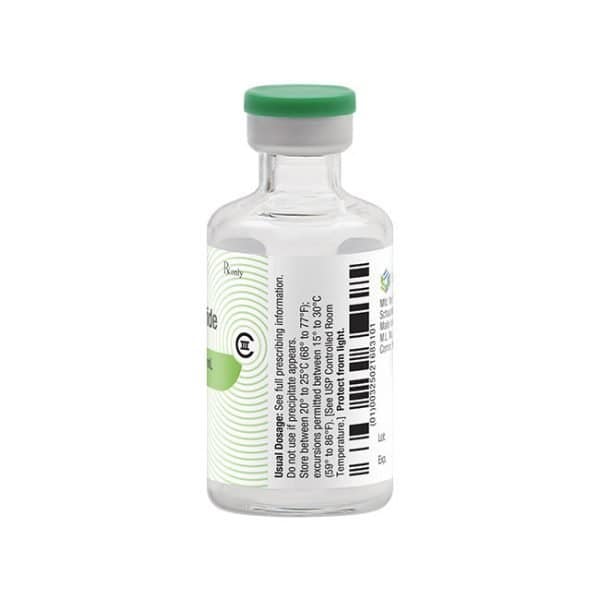
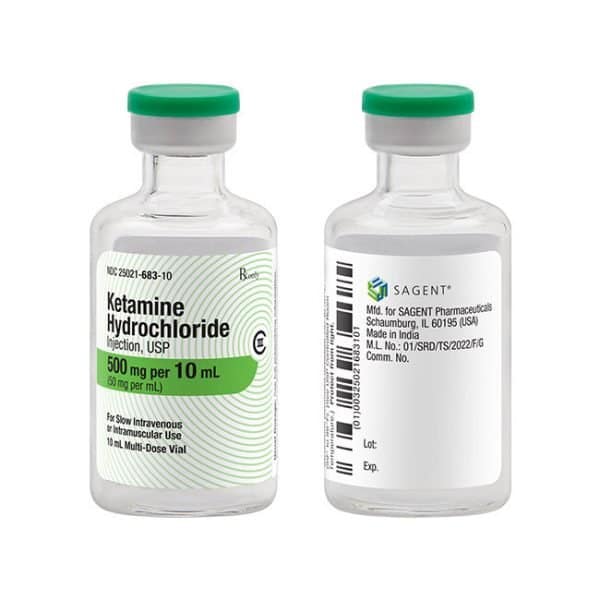


Ketamine HCL Injection, 50mg/mL, 10mL Vial


$27.48
Ketamine Hydrochloride Injection USP 50mg/ml , non-narcotic dissociative anaesthetic and analgesic used for induction and maintenance of general anaesthesia, procedural sedation, emergency analgesia, and certain pain management scenarios. It produces a dissociative state (cataleptic immobility, amnesia, analgesia) while maintaining airway reflexes and cardiovascular stability better than many other anaesthetics. It is indicated for short surgical procedures, emergency department sedation, paediatric procedures, burn dressing changes, and as an adjunct in status asthmaticus or severe pain.
About Ketamine HCL Injection, 50mg/mL, 10mL Vial
Ketamine HCL Injection 50mg Injection is a prescription general anaesthetic injection used by healthcare professionals to provide anaesthesia for diagnostic and surgical procedures. It is indicated as the sole anaesthetic agent for procedures that do not require skeletal muscle relaxation, for the induction of anaesthesia before other general anaesthetics, and as a supplement to other anaesthetic agents. It is especially useful for short procedures, though it can also be used with additional doses when longer anaesthesia is required.
Because Ketamine HCL Injection 50mg Injection is given by injection, it is used only in monitored clinical settings such as hospitals or surgical centres. The dose is individualised, and the medicine is administered by clinicians experienced in airway management, oxygenation, and ventilation. Before treatment, patients are generally required to fast, because Ketamine HCL Injection 50mg Injection is not recommended when nil per os instructions have not been followed.
While receiving Ketamine HCL Injection 50mg Injection, some people may experience nausea, vomiting, dizziness, vivid dreams, confusion, or temporary increases in blood pressure and heart rate during recovery. Emergence reactions can occur as the medicine wears off. However, you must alert your healthcare team immediately if you develop severe breathing difficulty, marked confusion, hallucinations, or a serious allergic reaction.
Do not use this medicine if a significant rise in blood pressure would be a serious hazard, or if you have a known allergy to Ketamine HCL Injection 50mg Injection or any excipient. Tell your doctor before treatment if you have uncontrolled hypertension, heart disease, elevated intracranial pressure, or a psychiatric condition, because Ketamine 50 mg Injection can raise blood pressure and has been associated with emergence reactions and other psychiatric effects.
This medicine can interact with benzodiazepines, opioid analgesics, other CNS depressants, theophylline or aminophylline, and sympathomimetics or vasopressin. If you are pregnant, breastfeeding, an older adult, or have other chronic medical conditions, your healthcare team will weigh the risks and benefits carefully before giving this medicine.
Uses of Ketamine 50 mg Injection
Your doctor may prescribe Ketamine HCL Injection 50mg Injection to treat the following conditions:
- Starting anaesthesia: Helps induce anaesthesia before a procedure or before other general anaesthetic agents are given.
- Maintaining anaesthesia: May be used as a supplement to other anaesthetic agents during surgery or diagnostic procedures.
- Short diagnostic or surgical procedures: Used as the sole anaesthetic agent for procedures that do not require skeletal muscle relaxation.
Key Benefits
Ketamine HCL Injection 50mg Injection provides rapid anaesthesia for procedures that need quick onset and close monitoring. Because it acts fast after injection, it helps medical teams begin treatment or surgery without unnecessary delay and keeps the patient unconscious and pain-free during the procedure.
- Rapid onset for procedures: Starts working quickly, making it useful when anaesthesia must be established promptly.
- Useful for short procedures: Especially suitable for brief diagnostic or surgical procedures that do not require skeletal muscle relaxation.
- Can supplement other anaesthetics: May be combined with other anaesthetic agents to support balanced anaesthesia.
- Provides dissociative anaesthesia: Helps block awareness of pain and sensory input during the procedure.
Side effects of Ketamine 50 mg Injection 10 ml
Increased Amount Of Blood Pumped By Heart
- Discuss with your doctor to adjust your medications and find the right treatment for your body.
- Do regular aerobic exercise, like walking or cycling, to boost your cardiovascular health.
- Activities like meditation, deep breathing, or yoga help relieve anxiety and prevent increased cardiac output.
- Eat a balanced diet and maintain a healthy weight to support your heart functioning.
- Avoid very hot showers and baths to prevent increased heart output.
- Quit smoking, avoid nicotine products, and limit caffeine intake.
- Seek immediate medical help if you experience severe symptoms like chest pain, shortness of breath, or dizziness.
Be the first to review “Ketamine HCL Injection, 50mg/mL, 10mL Vial”
Related products


Ketamine


Ketamine

Ketamine

Ketamine


Ketamine
Reviews
There are no reviews yet.